
Upgrade Existing Mirrors
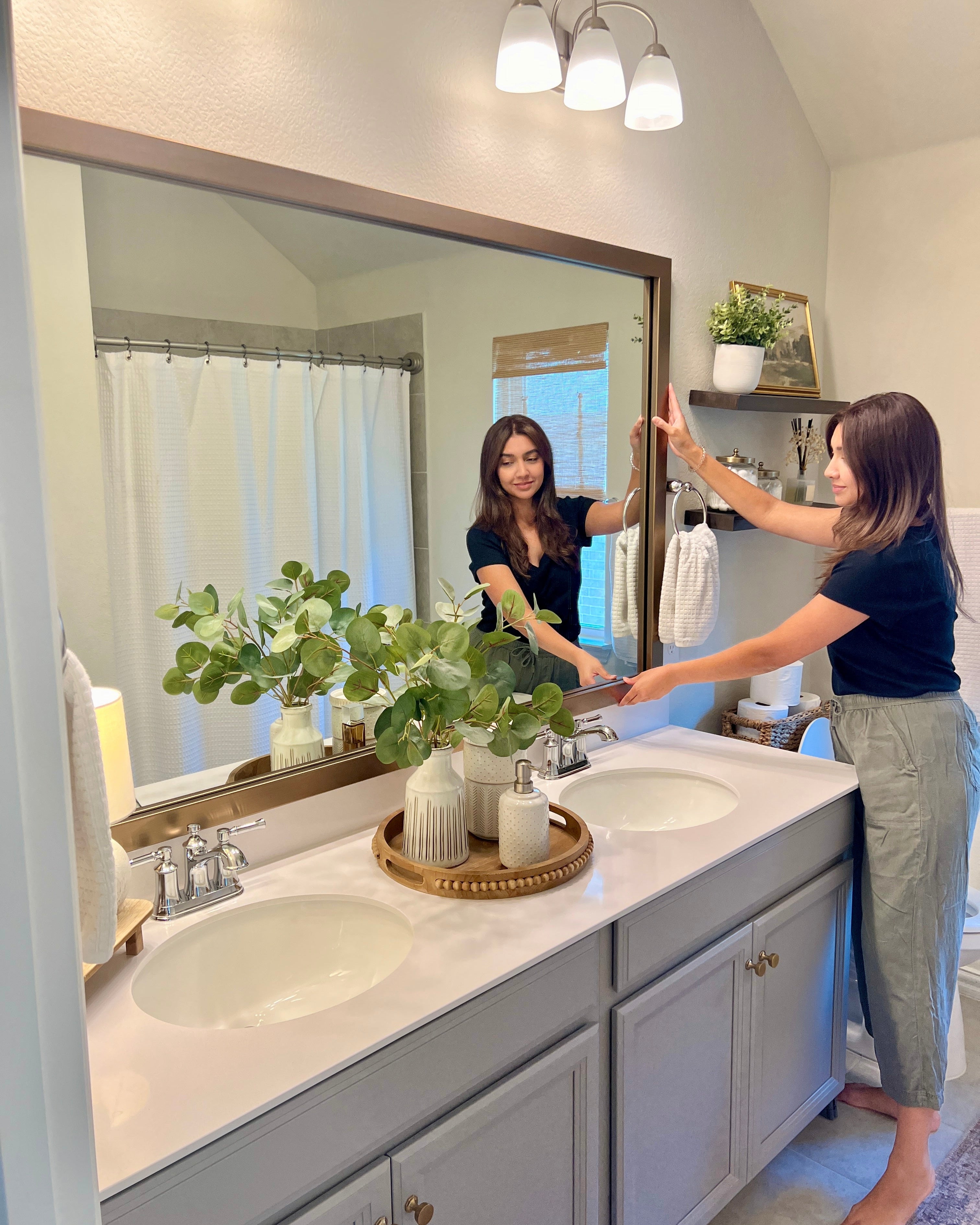
Transform compatible builder-grade bathroom mirrors without automatically replacing usable glass.
Property Managers & Multifamily
Create a more finished, consistent bathroom appearance across apartment communities, rental properties, and multifamily portfolios. Volume pricing and project support are available for qualifying commercial orders.
Refresh the bathroom
A bathroom mirror can make an entire vanity area feel either finished or incomplete. Replacing a functional mirror, however, can add materials, labor, disposal, and coordination that the project may not need.
For compatible existing mirrors, Add A Frame creates a framed appearance while keeping the mirror already installed.
Built for portfolio-scale improvements
Establish a bathroom mirror solution that works for the current property and can be repeated as additional units become available.
Transform compatible builder-grade bathroom mirrors without automatically replacing usable glass.
Select a frame style that can be used across multiple units, floor plans, buildings, or properties.
Complement vanity cabinetry, faucets, lighting, bathroom hardware, flooring, tile, and paint.
Purchase by building, renovation phase, floor plan, or unit availability instead of completing every unit at once.
Commercial and volume pricing
Commercial pricing may be available based on mirror quantity, selected products, project scope, and purchasing schedule.
Provide an estimated quantity to begin the conversation. Exact measurements can be confirmed as the project progresses.
Multi-unit project support
Mirror programs can become complicated when properties contain different sizes, clearances, bathroom layouts, and renovation schedules.
Frame My Mirror can help establish a manageable specification that purchasing, maintenance, renovation, and construction teams can use consistently.
Product line options
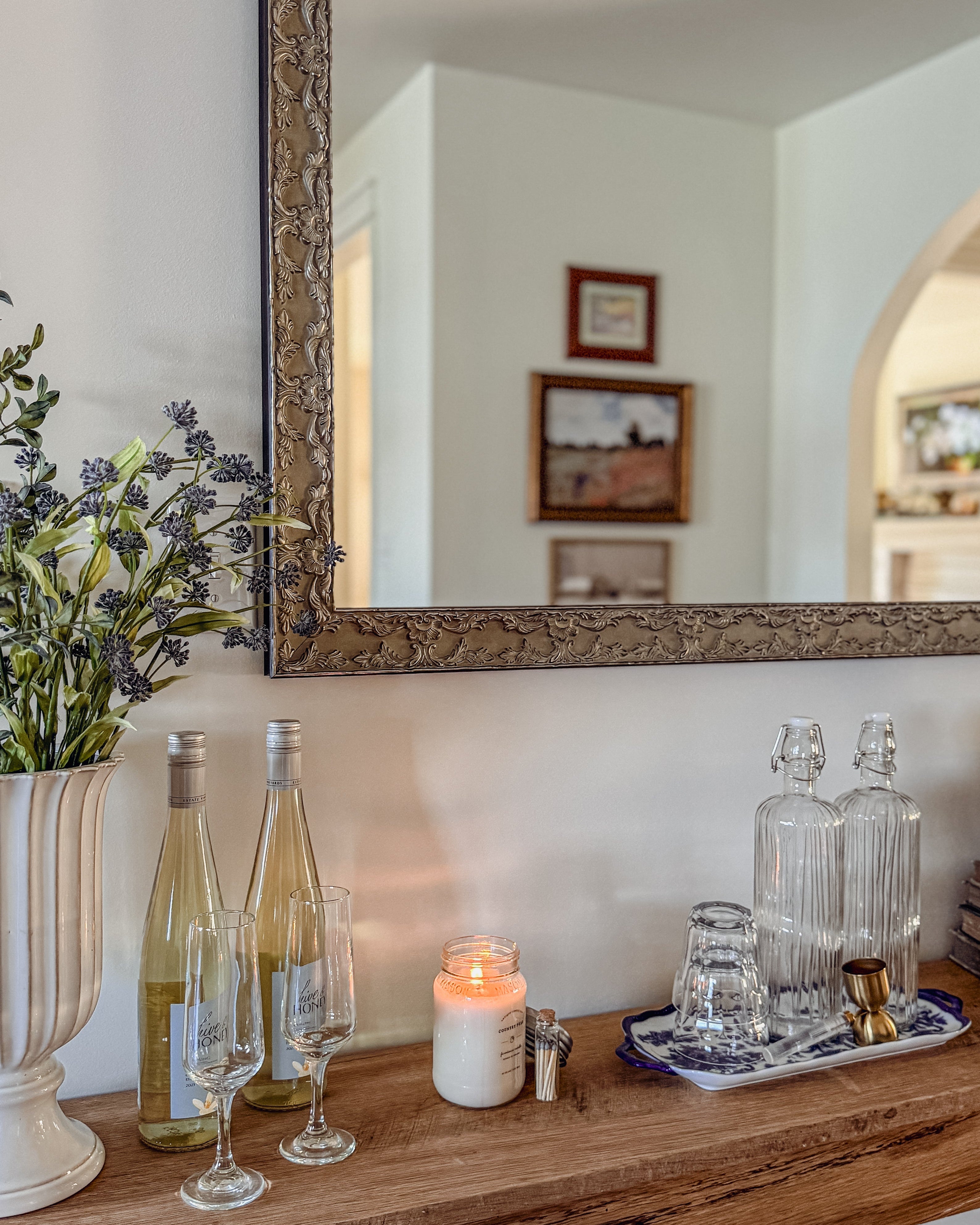
Use one product line across the project or combine options for standard units, premium units, model apartments, and common areas.
Frame existing mirrors
A custom-sized frame solution for compatible wall-mounted bathroom mirrors that are already installed and usable.
Replace mirror and frame
A complete mirror-and-frame solution for damaged mirrors, extensive renovations, new layouts, or new construction.
Distinctive spaces
Elevated mirror options for spaces requiring a more distinctive design or a premium renovation package.
Repeat ordering
Once finishes, mirror sizes, and unit types are established, they can become part of a repeatable purchasing plan for future renovations and unit turns.
A practical commercial process
Provide the property type, approximate quantity, timeline, and general mirror need.
We review the scope, mirror conditions, measurements, clearances, and appropriate product options.
Evaluate recommended products and request finish samples when appropriate.
Pricing is prepared around the approved products, quantity, and purchasing plan.
Order at once or coordinate purchasing around buildings, phases, or unit availability.
Property types
Frequently asked questions
Submit the basic project details even when measurements or product requirements have not been finalized.
Not necessarily. Add A Frame is designed for compatible existing mirrors. Suitability depends on the mirror dimensions, mounting method, clips, outlets, clearances, backsplash, nearby walls, and surrounding conditions.
Commercial or volume pricing may be available based on quantity, product selection, project scope, and ordering schedule. Submit an estimated quantity to request a review.
Projects may be structured around buildings, floor plans, renovation phases, or unit availability. Include your preferred purchasing schedule in the inquiry.
Yes. Projects can include multiple mirror dimensions. Organizing requirements by floor plan or unit type can make quoting and repeat ordering more manageable.
Sample availability depends on the selected frame or product. Samples are recommended when establishing a finish for a larger property program.
Yes. Photographs, mirror measurements, and surrounding clearance information can help determine the appropriate next step. Detailed documentation can be collected after the initial inquiry.
Commercial Buyers Program
Whether you are refreshing several units or developing a portfolio-wide mirror program, send us the basic project information. Our team can review the scope and discuss product options, measurements, and pricing.
Create a scalable mirror specification for renovations, unit turns, and property-wide improvements.